
Road to Mustang2026-03-08T17:39:20+00:00

Road to Mustang – Motorcycle tour to the Tibetan Border

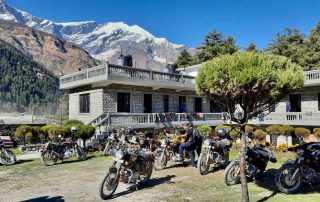
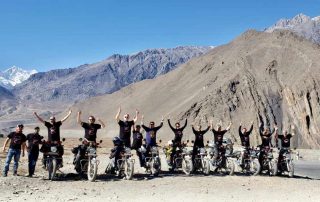
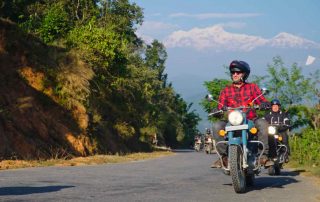
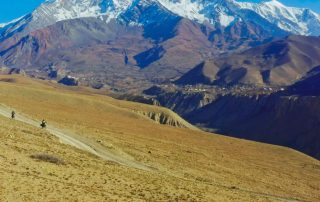
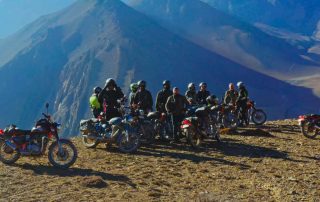
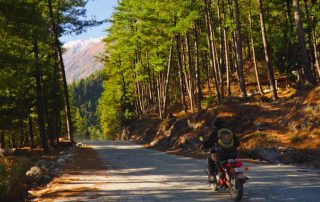
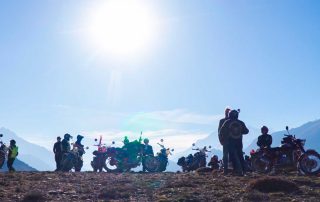
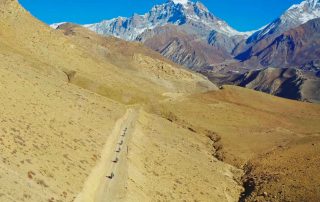
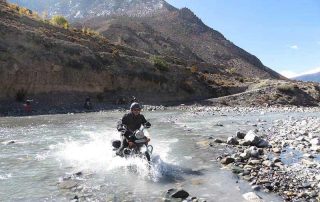
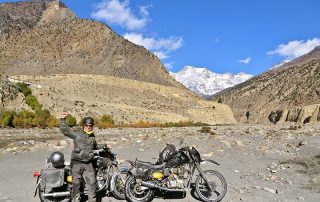
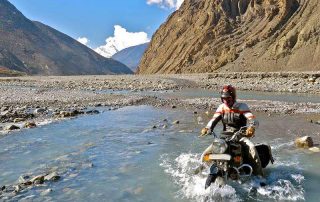
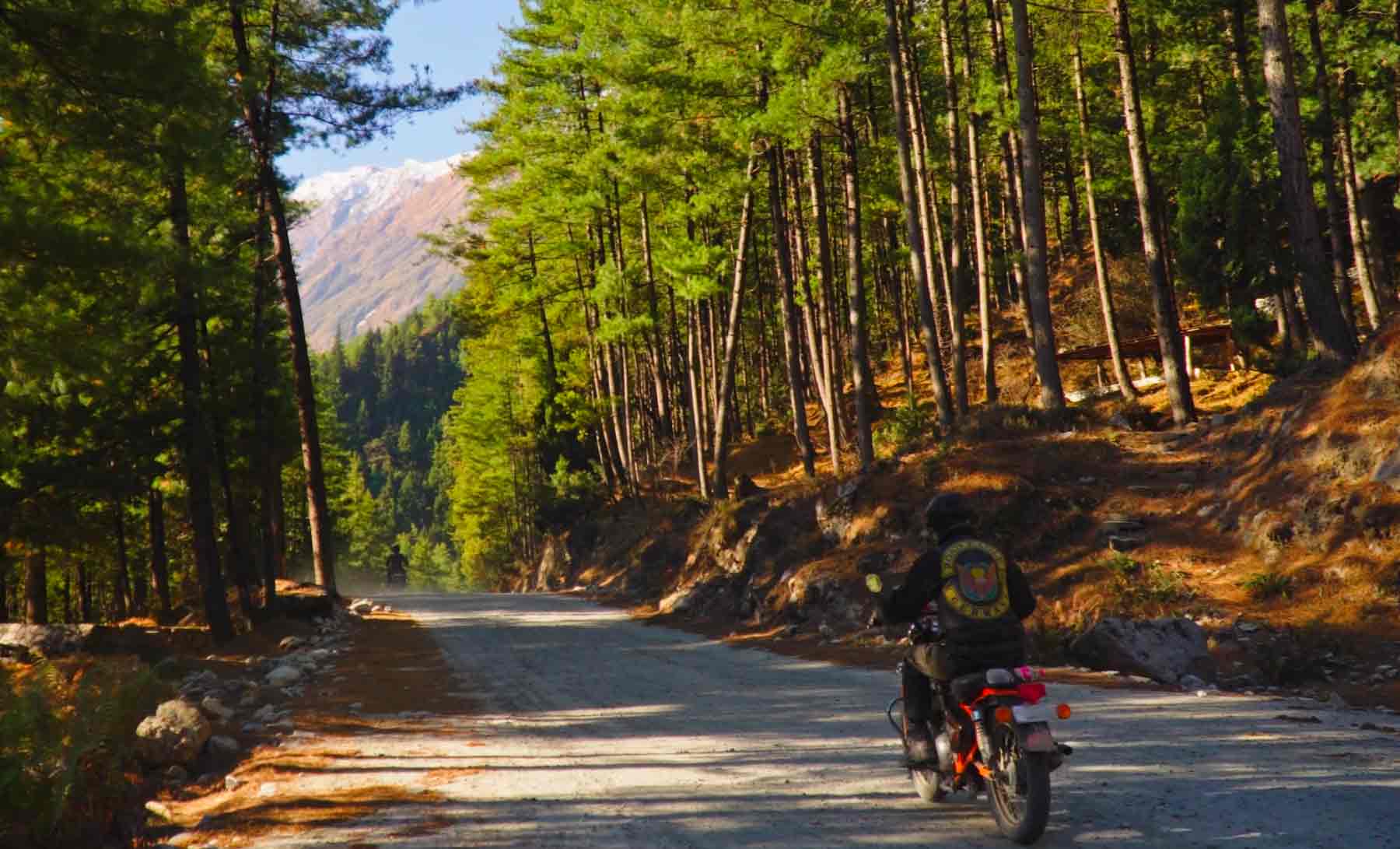
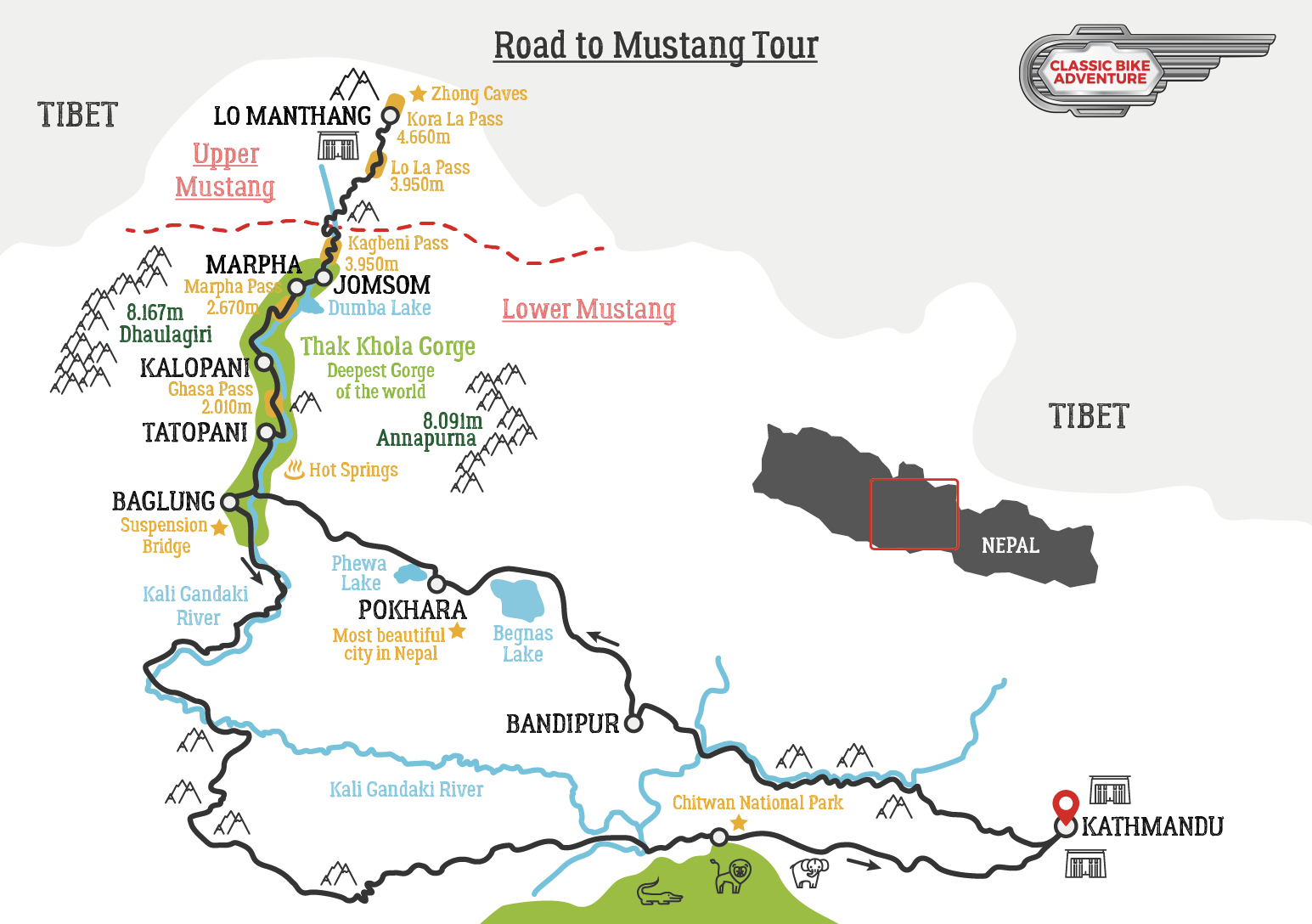
North of the Annapurna massif lies the hidden Mustang Valley — a remote region full of mystique and wild mountain passes between Tibet and Nepal. It offers the motorcycle tour of a lifetime! Dirt tracks, winding mountain roads, deep gorges and thrilling routes on the way to Mustang are waiting. Mustang is a former kingdom that was closed to visitors until 1992, but now a Nepal Mustang motorcycle tour awaits you like no other. This route takes us into legendary Upper Mustang to Lo Manthang — without a doubt the best Nepal tour of all time. On this 14-day motorcycle tour through Nepal, we begin in Kathmandu, the country’s capital, located in a valley at the foot of the Himalayas. On our first riding day, we head up to the museum village of Bandipur and enjoy one of many spectacular views across Nepal. We then continue to the vibrant city of Pokhara — Nepal’s most beautiful city. Here we enjoy the relaxed lakeside atmosphere, bars and live music before heading deeper into the Himalayan mountains.

Read more

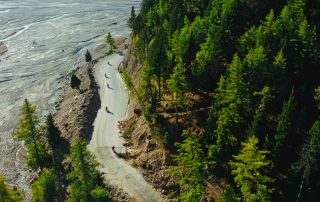
From Pokhara, the spectacular Himalayan motorcycle route leads us along the Kali Gandaki Valley to Jomsom — a legendary stop on the Annapurna Circuit with dramatic views of Nilgiri and Dhaulagiri. We continue to Muktinath at 3,800 metres. Here we visit the famous Muktinath Temple — one of Nepal’s most important Hindu pilgrimage sites, revered by both Hindus and Buddhists.

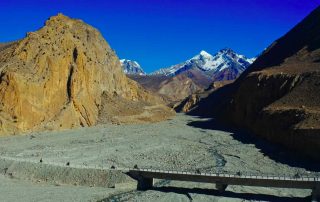
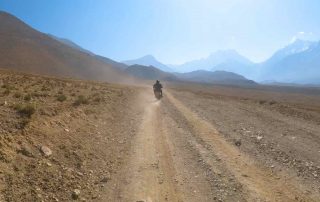
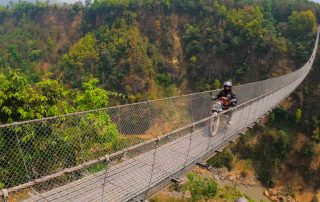
Beyond Kagbeni begins the strictly protected Upper Mustang — a high-altitude desert shaped by Tibetan culture, centuries-old monasteries (gompas) and spectacular off-road tracks. Our destination is Lo Manthang, the walled royal city of the former Kingdom of Mustang. On the way, we experience some of Nepal’s oldest Buddhist monasteries, intricate murals and authentic Tibetan architecture. This Upper Mustang motorcycle tour is among the most exclusive and impressive adventures in the Himalayas. We ride through the Thak Khola Gorge — the deepest gorge in the world, separating the majestic giants Dhaulagiri (8,167 m) and Annapurna (8,091 m). On the return journey, we cross one of the world’s longest suspension bridges — a breathtaking experience high above the roaring river.

The route then leads us to Chitwan National Park in Nepal’s subtropical lowlands. Here, a safari through dense jungle and grasslands awaits. With a bit of luck, we may see one-horned rhinos, Bengal tigers, sloth bears, leopards, wild elephants, crocodiles and numerous exotic bird species — an impressive contrast to the high Himalayan mountains. We then return to Kathmandu, where an optional program allows you to explore the highlights of this historic capital.

So what are you waiting for? Join us on an unforgettable motorcycle tour all the way to Lo Manthang in Upper Mustang — an exclusive Nepal motorcycle journey and Himalayan adventure through the former Kingdom of Mustang. The ultimate combination of thrilling riding, culture, high mountains, adventure and safari — surely the best Nepal motorcycle tour of all time.

We also organise Leh Ladakh Motorcycle Tours , Spiti Valley Motorcycle Tour and the Golden Himalaya Tour all along the Himalaya route.
You can also book our Guided South America Motorcycle Tour and savor breathtaking contrasts—from Amazonian rainforests and ancient Machu Picchu ruins to vibrant cities and soaring Andean peaks—offering an unforgettable adventure at every turn.
But have a look for yourself and watch a short recommendation: Interview with a motorcycle enthusiast: Experiences from a Classic Bike India Tour

AT A GLANCE

Nepal Motorcycle Tour Package – Highlights

This Nepal motorcycle tour combines Upper Mustang, the high Himalayas, UNESCO cultural sites and a jungle safari — one of the most exclusive and impressive motorcycle journeys in Nepal for adventure riders and Himalayan enthusiasts.

  • Upper Mustang — the hidden kingdom of the Himalayas all the way to Lo Manthang, directly on the Tibetan border (exclusive Upper Mustang motorcycle tour)
  • Visit to the walled royal city of Lo Manthang — the cultural heart of Upper Mustang with centuries-old Buddhist monasteries (gompas)
  • Ride along the Himalayan eight-thousanders Dhaulagiri (8,167 m) and Annapurna (8,091 m) — spectacular high-mountain panorama route in Nepal
  • Crossing of the world’s deepest gorge — the Kali Gandaki (Thak Khola) — a legendary adventure stretch
  • The longest suspension bridge in Nepal near Baglung — a spectacular photo spot high above the Kali Gandaki Valley
  • Magnificent views and breathtaking mountain roads around the Annapurna massif near the Tibetan border — perfect for Himalayan motorcycle and enduro tours
  • Pokhara, the most beautiful city in Nepal, located directly on Phewa Lake
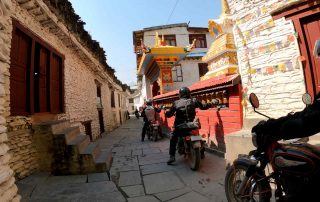
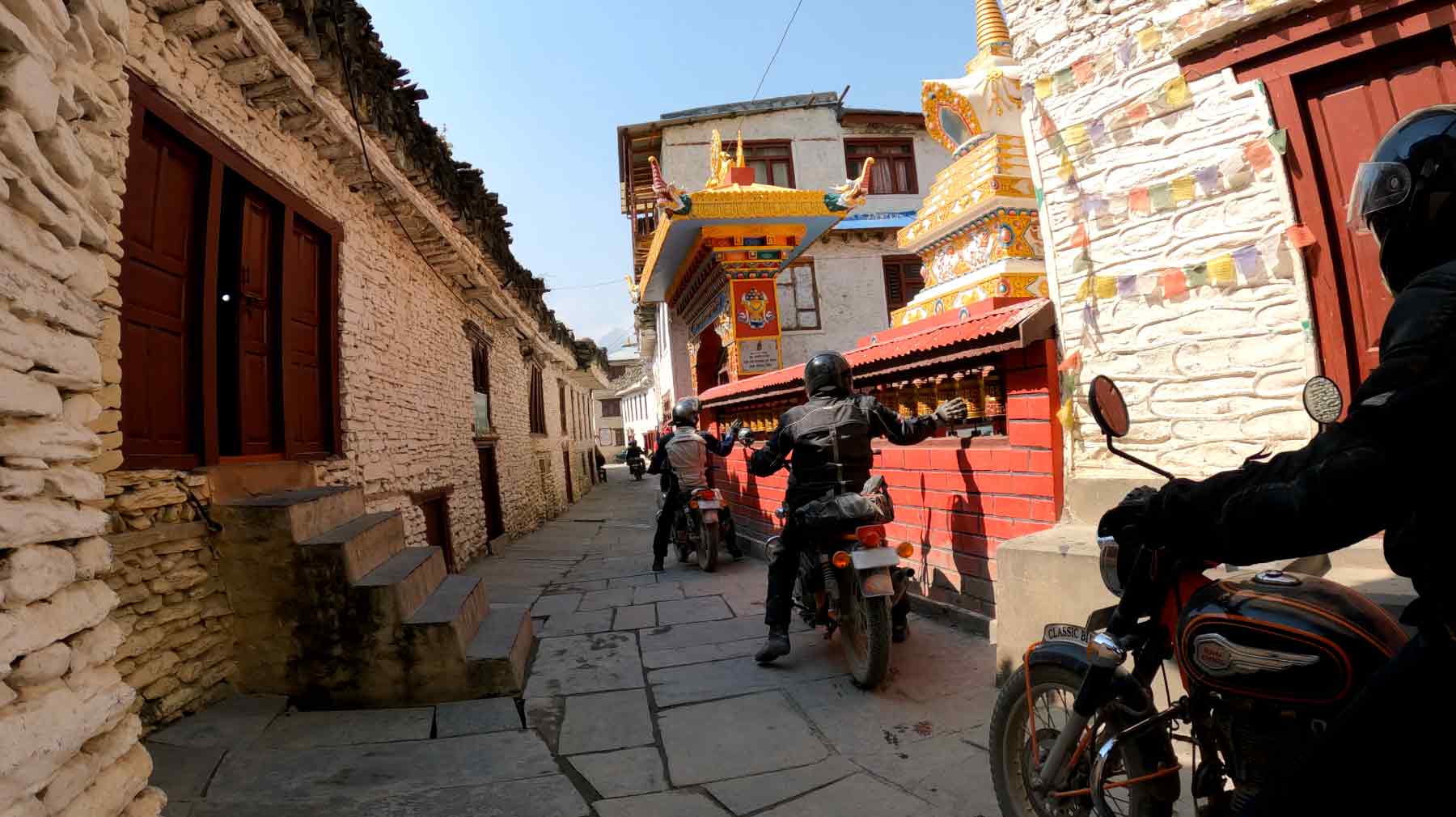
  • Marpha — the picturesque apple village in the Kali Gandaki Valley with narrow alleys, Buddhist chörtens and traditional Thakali culture, famous for its apple brandy. One of the most charming stops on the Upper Mustang motorcycle route.
  • The famous Muktinath Temple (Vishnu Temple) — one of the most important Hindu pilgrimage sites in the Himalayas
  • The charming museum village of Bandipur with traditional Newari houses and Himalayan panorama
  • Visit to Chitwan National Park with jungle safari, elephant encounters, rhinos, Bengal tigers, crocodiles and canoe trip in the subtropical lowlands
  • The route passes through the spectacular high-desert landscapes of Upper Mustang, across impressive Himalayan mountain passes and high-altitude stages; around 20% of the route is off-road and in good riding condition
  • Optional: all highlights of Kathmandu — UNESCO World Heritage sites including Pashupatinath Temple, Boudhanath Stupa and the historic royal city of Bhaktapur (cultural Nepal highlights)

Road to Mustang: Himalayan Passes Tackled

  1. Korala Pass – 4.660 m
  2. Chogo La Pass – ~4.280 m
  3. Mui La Pass – ~4.170 m
  4. Gyu La Pass – ~4.077 m
  5. Nyi La Pass – ~4.010–4.020 m
Nepal Mustang Motorcycle Tour – Media Library
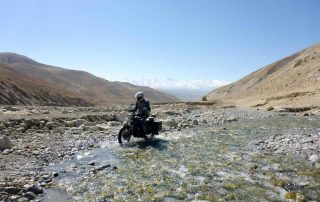
Nepal Motorcycle Tour – Itinerary
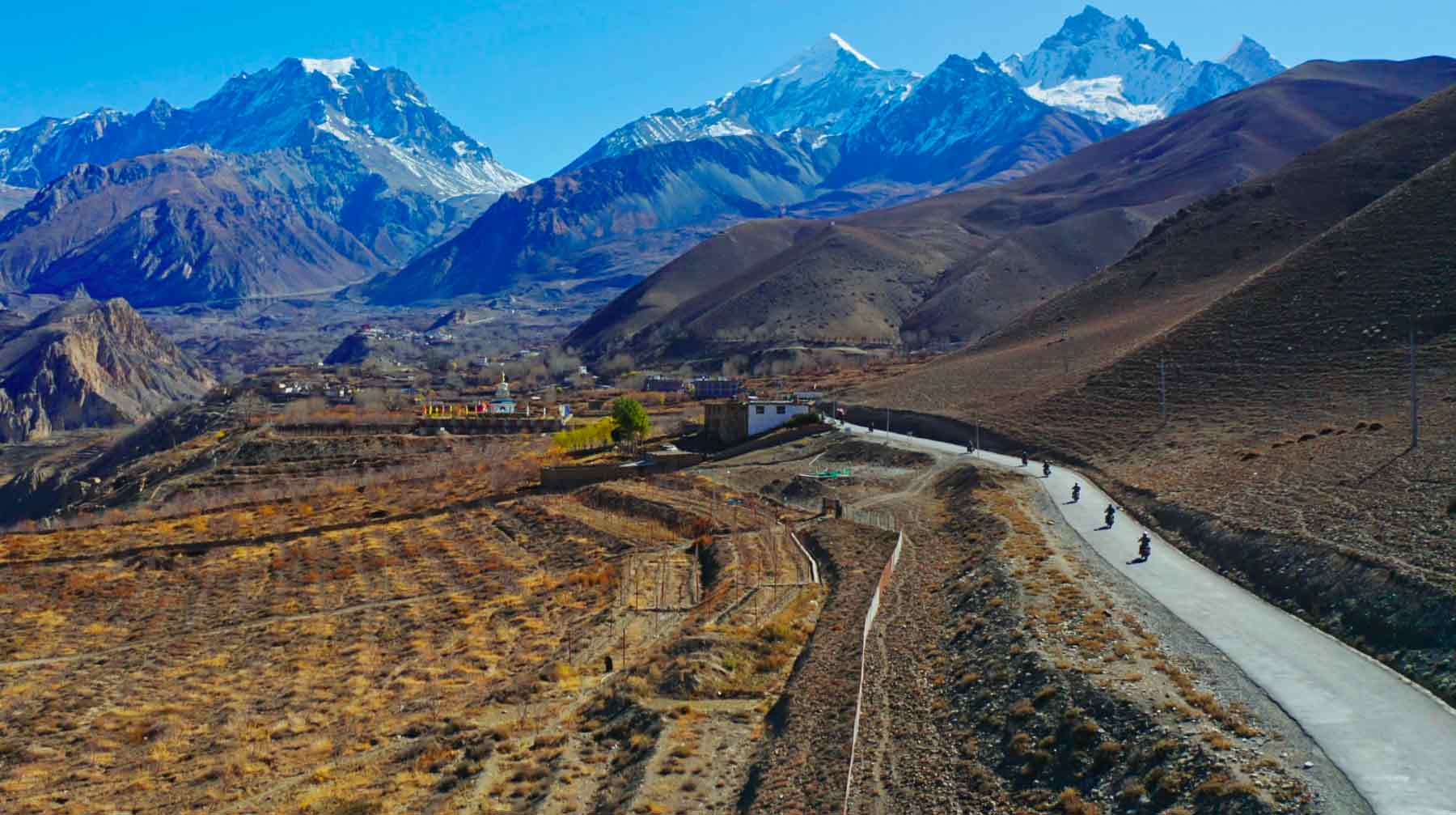
Day 1: Arrival in Kathmandu

At the airport, you will be welcomed by our local representative, easily recognizable by a “Classic Bike Adventure” sign. You will then be transferred to your hotel in the heart of Kathmandu. After check-in, we meet for a short briefing to discuss the schedule, route and organizational details for the coming days. During our welcome dinner, we get to know each other in a relaxed atmosphere while enjoying our first Nepalese specialties. Afterwards, there is time for a stroll through the Thamel district. For decades, Thamel has been the lively hub for travelers, trekking groups and motorcycle tours in Kathmandu. Small shops sell handicrafts, prayer flags, metalwork and handmade jewellery.

Read more

The narrow streets are lined with restaurants, cafés and bars — offering everything from traditional Nepalese cuisine to international dishes. Nearby, the “Garden of Dreams,” a historic garden complex dating back to the 1920s, provides a peaceful contrast to the busy streets with its pavilions and fountains. Around Mandala Street’s pedestrian area, you will also find bookstores, outdoor outfitters, spas and small galleries. This is how the journey in Nepal begins — not dramatically, but deliberately calm — with time to arrive, orient yourself and immerse in the urban life of Kathmandu before heading toward the Himalayas and Upper Mustang in the days ahead.

Distance covered: Airport transfer

On the road from Mugling to Bandipur

Day 2: From Kathmandu to Gurkha

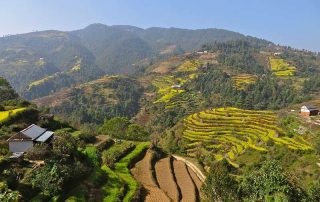
We set off early in the morning to leave the dense traffic of Kathmandu behind us as quickly as possible. After the first kilometres within the city, we soon switch to smaller winding mountain roads. The asphalt becomes narrower, the traffic calmer — ideal conditions to get used to the motorcycle, the rhythm of riding, and Nepal’s road conditions. This first riding day is intentionally designed to build confidence step by step and ease into the riding environment of the Himalayan foothills. The route leads through terraced hill landscapes, past small villages, rice fields and river valleys. Time and again, wide views open across Nepal’s middle mountains.

Read more

On clear days, the first snow-covered Himalayan peaks appear on the horizon. Often only a brief glimpse between drifting clouds, but enough to give a sense of the scale and beauty that await us on this journey. Our destination for the day is Gorkha, a historically significant town set on a mountain ridge. Gorkha is considered the cradle of modern Nepal. Soldiers from this region were known for their loyalty, discipline and combat skills. The Gurkhas later gained worldwide fame, particularly through their service in the British and Indian armies.

High above the town stands the former royal palace, the Gorkha Durbar, with its temple complex and sweeping views across the surrounding valleys. Gorkha is a quiet provincial town with strong regional character, simple markets and a long military tradition — the name “Gurkha” originates from this very region. In the evening, we enjoy the elevated setting of our stopover and — with a bit of luck — another distant view of the Himalayan peaks, which now are no longer just imagination, but a visible reality.

Distance covered: 160 km

Day 3: Riding on Small Roads to Begnas Lake & Pokhara

The route leads along small, partly hidden mountain roads to Bandipur, a historic hill town in central Nepal. With its traditional Newari houses, Bandipur’s atmosphere feels as if time has stood still. We then continue along smaller mountain connections down to Lake Begnas, peacefully located in the southeast of the Pokhara Valley. Some sections are unpaved and require attentive riding, but remain easily manageable. We stop by the lakeshore for a break, enjoying the scenery and a relaxed lunch.

Read more

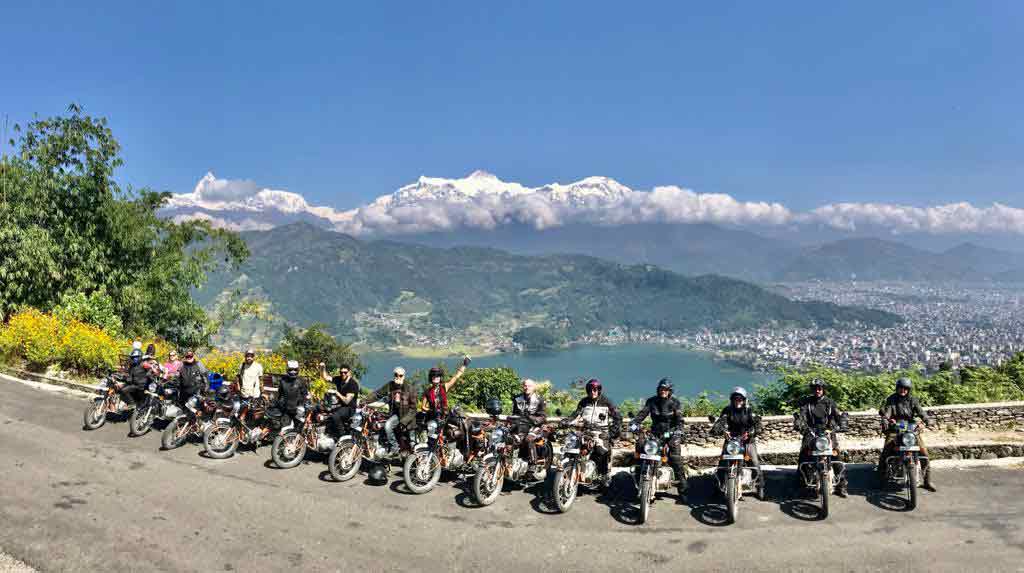
The ride here is already varied — narrow curves and the first gravel sections offer a good preview of the upcoming days on our adventure. In the afternoon, we reach Pokhara, set on the shores of Phewa Lake with views of the Annapurna range. Our hotel is located near Lake Road, just a few steps from the water. Those who wish can relax by the lakeside or head out on the lake in a rowing boat — on clear days, the snow-covered peaks rise impressively above the valley.

Distance covered: approx. 130 km

Bandipur to Sauraha road
Chitwan National Park

Day 4: The Himalayas Await! Into the Kali Gandaki Gorge

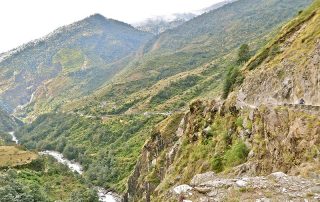
In the morning, we leave Pokhara on a well-developed main road. The first section allows for smooth progress before we gradually head deeper into the Kali Gandaki Valley. As we gain altitude, the landscape becomes more rugged, the valleys narrower and the vegetation increasingly sparse. Narrow sections, tight bends and occasional construction areas or washed-out edges require attentive riding. The geography is striking — we are travelling through a region frequently affected by landslides, where the landscape itself feels constantly in motion.

Read more

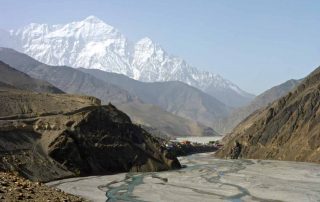
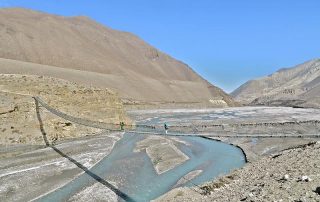
By the afternoon, we pass steep rock faces and waterfalls plunging directly into the valley beside the road. The route continues winding northward, the valley widening and the views opening up. We now find ourselves in the deepest gorge in the world — the Thak Khola Gorge, also known as the Kali Gandaki Gorge. The Kali Gandaki River flows through this dramatic landscape, separating two of the world’s ten highest mountains. Measured from the summit of Dhaulagiri down to the riverbed — a vertical distance of around 5.5 kilometres — it is considered the deepest gorge on Earth.

Here we ride between the Annapurna and Dhaulagiri massifs — two immense mountain ranges rising beyond 8,000 metres and part of the highest mountain region on the planet. With every kilometre, the scenery becomes more impressive.
Beyond Kobang, the first close views of the Annapurna range appear in clear weather. Particularly striking is Annapurna I (8,091 m), one of the most technically demanding eight-thousanders in the world. Shortly afterwards, we reach Kalopani at around 2,500 metres above sea level. Kalopani lies quietly between Dhaulagiri and Annapurna and marks the transition into the high alpine zone. The day ends in a relaxed atmosphere — with views of the ice giants that now feel significantly closer. We wind down the evening on the terrace of our guesthouse, enjoying an uninterrupted panorama of the surrounding peaks. What could be better?

Distance covered: approx. 130 km

Day 5: Along the Ice Giants to Muktinath

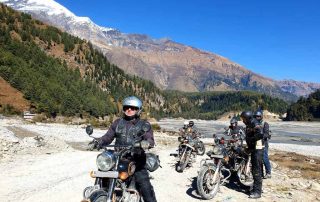
The road continues north along the Kali Gandaki Valley, mostly paved with some uneven sections depending on the season. The landscape becomes increasingly barren, vegetation sparse and the mountains draw ever closer. With every kilometre, it is clear that we are moving deeper into Mustang. In Jomsom, the largest town in the Mustang region, we take a break. The small airport here is known for its challenging approaches: aircraft take off and land in a narrow valley between steep rock faces. Small propeller planes fly spectacularly along the massive cliffs, often accompanied by strong valley winds.

Read more

Beyond Jomsom, the scenery changes noticeably. The valley opens in places, then narrows again. The surroundings become increasingly alpine and dry. We leave the wider valley floor and follow a climbing mountain road that winds its way up the slopes in long curves and switchbacks. The air grows thinner, the engine sounds different, and the perspective widens. Shortly after Jomsom, we reach Kagbeni, considered the gateway to Upper Mustang — an original village of narrow alleys, mud-brick houses and centuries-old monastic traditions at the confluence of two rivers. Here we pause for a moment and enjoy a coffee.

Our journey then continues deeper into Mustang, following a hidden mountain route to Muktinath. Situated at around 3,700 metres, Muktinath is one of Nepal’s most important pilgrimage sites and is revered by both Hindus and Buddhists. For Hindus, the temple is one of the 108 sacred Vishnu sites. Pilgrims travel from far and wide to perform ritual ablutions at the 108 water spouts and the two sacred ponds. The barren high-mountain landscape and the palpable spiritual significance of the place give Muktinath a unique atmosphere, making it a true highlight of the journey. Its exposed location also offers wide views across the valley and surrounding mountain ranges.

We visit the temple in the afternoon and see pilgrims from Nepal and India, many of whom have travelled great distances to present their offerings here. Around the temple complex sit Babas — holy men in bright yellow robes — praying, blessing visitors and, in exchange for a small donation, offering good wishes for a safe onward journey. We spend the night in the village of Muktinath in a small, family-run hotel at 3,710 metres above sea level.

Distance covered: approx. 100 km

Sauraha to Tansen
Thansen – Siddhartha Highway to Pokhara

Day 6: Into Upper Mustang

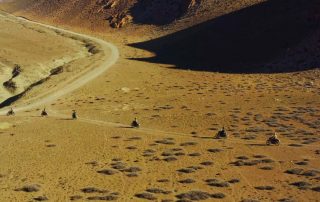
We leave Muktinath in the morning and initially follow a scenic high-altitude road with sweeping views back toward Dhaulagiri and the vast valley below. After several viewpoints, the route descends once more to the Kali Gandaki River. Following the river upstream, we reach Chhusang, where we cross a bridge — here we are officially in Upper Mustang – once a strictly restricted region on the border with Tibet. With our progression to the opposite side of the valley, the atmosphere shifts as well. The landscape becomes drier, sand-coloured, almost surreal. Near Dhakmar, the first carefully constructed stupas and chörtens appear, standing naturally within the vast high-altitude desert. Soon after, we arrive in Gami, known for one of the longest mani walls in the region.

Read more

Prayer scriptures carved into stone accompany us along a quiet stretch of road. A small monastery above the village reinforces the strong Tibetan-Buddhist character of this region.
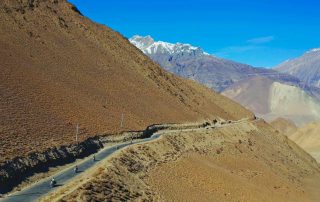
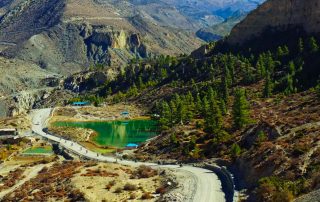
The route climbs steadily, winding through a fascinating sandstone landscape shaped by erosion, caves and ochre-coloured rock formations. Clay-built chörtens appear recurrently along the roadside — almost merging with their surroundings, as if they had grown directly from the rock itself. The scenery feels closer to Tibet than to what many imagine as classic Nepal. A special stop is Lho Gekar Gompa, considered one of the oldest Tibetan-Buddhist monasteries in the region and, according to tradition, founded as early as the 8th century. Located slightly off the main route, it offers a quiet impression of Mustang’s long spiritual history.
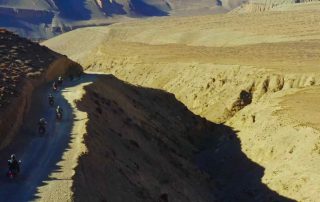
Before reaching Lo Manthang, we cross a narrow, winding pass at around 3,950 metres. From the top, the view opens across a vast plateau — and in the distance, the walls of the ancient royal city come into sight. With our arrival in Lo Manthang, we reach the cultural heart of Upper Mustang. The walled city, defined by clay architecture, monasteries and the former royal palace, feels like a relic from another time. Here, the influence of Tibet is not only visible but deeply tangible — in the buildings, in the prayer flags and in the daily life of its people.

Distance covered: approx. 100 km

Day 7: Around Lo Manthang – Caves, Border, Royal City

In the morning, we set off on a roundtrip ride through the highlands of Upper Mustang. Optionally, a short detour takes us to what is said to be the highest golf course in the world — a simple grass-covered field at around 3,900 metres, set against spectacular panoramic scenery. The route leads along narrow tracks and small high plateaus with wide views across the barren landscape. We then continue to the Jhong, or Chhoser, caves — an extensive cave system carved into steep, sand-coloured cliffs. These caves are believed to be several thousand years old; archaeological research dates parts of the complex to more than 2,000 years old. Over many generations, they served as living quarters, places of retreat and possibly burial sites. Which culture originally created them and the exact purpose of this complex system still remain not fully understood to this day.

Read more

What is certain is that the people who once lived here have long since disappeared, leaving only traces of their existence in the rock faces. If local regulations permit, we continue toward the Korala Pass on the Chinese border. Situated at around 4,660 metres, this pass marks the historic trade route between Mustang and Tibet. Here, the road ends abruptly at the frontier — a quiet, windswept place with vast views across the plateau.

On the return journey to Lo Manthang, we may, with a bit of luck, encounter a Tibetan nomad family living in traditional black yak-hair tents — a rare glimpse into a way of life that has changed very little over centuries. In the afternoon, we explore the old town of Lo Manthang. Behind the mighty clay walls, we visit the city’s most important monasteries: Jampa Lhakhang (“House of Maitreya”), Thubchen Gompa with its impressive murals, and Chodey Gompa, which remains an active religious centre to this day. The former royal palace also shapes the cityscape. The day ends quietly in the narrow lanes of the royal city — with a shared dinner and the feeling of having travelled through one of the most remote and culturally distinctive regions of the Himalayas. A dream for every Himalayan rider.

Distance covered: approx. 80 km (Roundtrip)

Road from Pokhara to Tatopani
 Ghasa to Kalapani road

Day 8: To the Apple Village of Marpha

We leave Lo Manthang and follow the familiar route south through Upper Mustang. The vast high-altitude landscape accompanies us once more before we gradually descend toward Lower Mustang. On the way, we reach Tsarang (Charang), one of Mustang’s most historically significant settlements. Here we visit the Old Royal Palace, a multi-storey mud-brick structure dating back to the 14th century that once served as the residence of local rulers. Right beside it stands the large Tsarang Monastery, home to ancient murals and Buddhist scriptures. We take time to walk through the village, whose narrow lanes, whitewashed houses and surrounding fields offer an authentic impression of life in Upper Mustang.

Read more

Continuing south, we pass familiar landscapes until we once again reach the wider Kali Gandaki Valley. As the altitude decreases, the climate becomes noticeably milder, and the first orchards begin to appear.
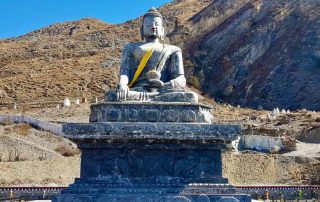
By afternoon, we arrive in Marpha, the best-known village in Lower Mustang. Marpha is considered a traditional Thakali village and is famous for its apple cultivation — especially apple brandy and dried apple products that have been produced here for generations. The natural stone houses with flat roofs and narrow, paved alleyways are characteristic of the region. Above the village lies the small Marpha Monastery, where monks live and support, among other things, a school for local children. High above the settlement stands the large statue of Guru Rinpoche (Padmasambhava), one of the most important teachers of Tibetan Buddhism. A walk through Marpha leaves a calm, almost timeless impression. After the wide-open plains of Upper Mustang, the village feels compact and sheltered — a place where culture, agriculture and the Himalayan landscape come together in a unique way.

Distance covered: approx.90 km

Day 9: The longest suspension bridge in Nepal

We continue along the familiar route further south. Along the way, we visit a settlement of Tibetan exiles who have been living here for three generations. Many families are largely self-sufficient through fruit and vegetable farming. A short walk through the village offers insight into their daily life, shaped by agriculture, craftsmanship and lived Buddhist tradition. In the afternoon, we reach Tatopani, a small riverside village known for its hot springs. We spend the night here and — depending on time and interest — have the opportunity to relax in the natural thermal pools.

Read more

The following morning, we continue our ride toward Baglung. The road follows the Kali Gandaki Valley — well developed but winding — with wide views into the gorge appearing time and again. We take our time, stopping for tea and coffee breaks while enjoying the ever-changing scenery.

Our destination for the day lies in the Kushma region, a lively town perched above the gorge. Here you’ll find one of Nepal’s longest suspension bridges, stretching spectacularly across the Kali Gandaki River. Those who wish can cross the bridge on foot or take a look into the depths below — adrenaline seekers can also try activities such as bungee jumping in the area. Finally, we cross a narrow and slightly adventurous suspension bridge — complete with a touch of thrill — to reach our tour hotel, located high above the gorge. The day ends in a relaxed atmosphere, overlooking the dramatic depth of the valley below.

Distance covered: approx. 130 km

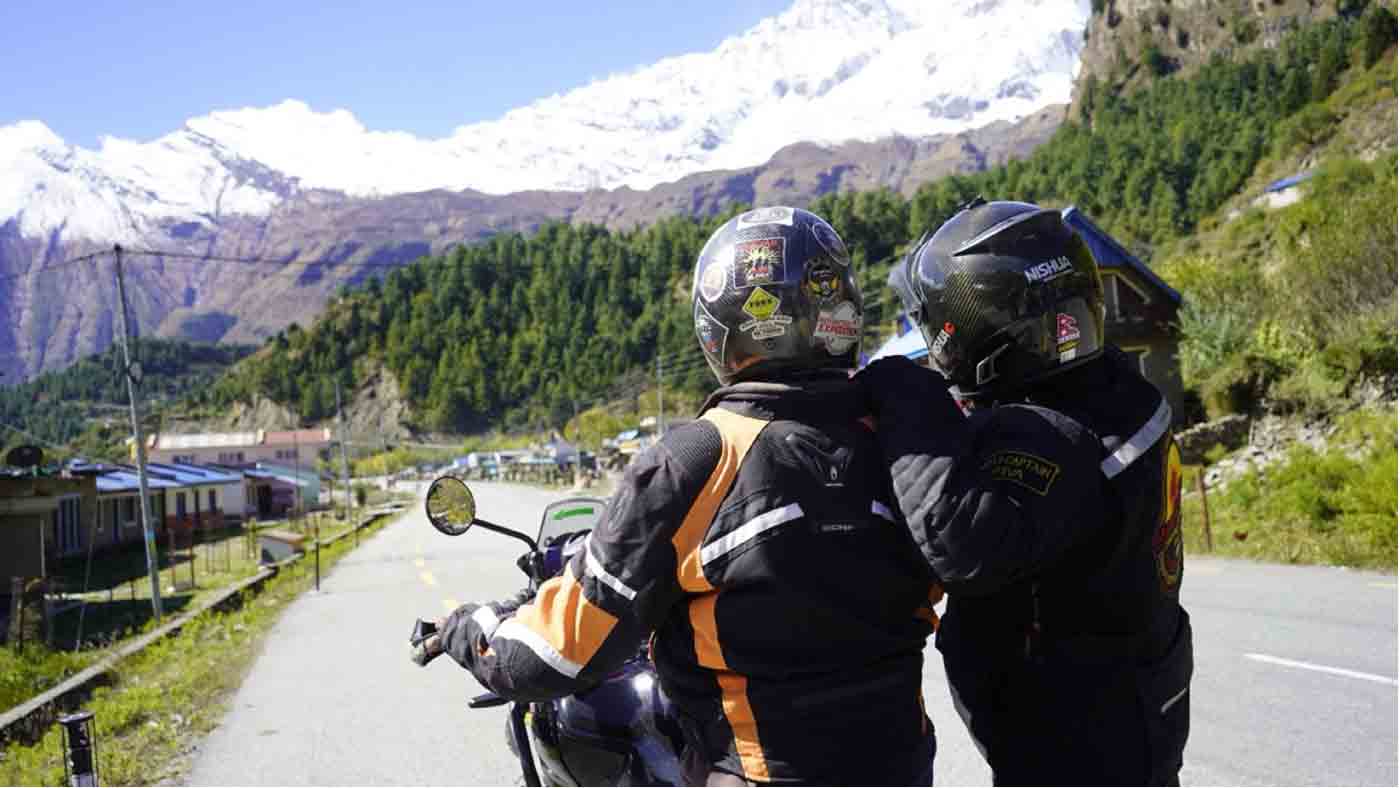
Spectacular views of the ice giants Annapurna and Dhaulagiri mountains
Excursion to Muktinath

Day 10: From Kushma Back to Pokhara – Roll & Relax

After the intense days in the high mountains, today’s stage takes us back to Pokhara. At around 70 kilometres, the ride from Kushma is relatively short and well paved — a deliberately chosen transition under the motto Roll & Relax. Before reaching our hotel at Phewa Lake, we use the afternoon for a few selected stops around Pokhara. We visit a Tibetan refugee settlement where families have been living since fleeing Tibet after 1959. To this day, hand-knotted carpets and traditional handicrafts are produced here — offering a quiet insight into culture and daily life in exile.

Read more

We then ride up to the World Peace Pagoda (Shanti Stupa). From here, wide views open over Phewa Lake, the city of Pokhara and — in clear weather — the Annapurna range with the striking Machapuchare (Fishtail). Not far away stands the large Shiva statue of Pumdikot, towering high above the valley and offering another impressive panoramic viewpoint. The rest of the afternoon is at leisure. Along Lake Road, cafés, small handicraft shops and restaurants invite you to stroll and relax. Those who wish can head out once more onto the lake in a rowing boat or simply enjoy the laid-back atmosphere.

Distance covered: approx. 70 km

Day 11: Ride to Chitwan National Park

Today we finally leave the Himalayan foothills behind and descend into the subtropical plains of the Terai. The route first follows smaller, lightly travelled mountain roads winding through forested hills and remote villages. Expansive views back toward the Himalayan range accompany us for a while, but with every kilometre the air grows warmer, the vegetation denser and greener. In terms of distance, today is one of the longer riding stages of the journey. We alternate between winding mountain roads, broader connecting routes and quieter secondary roads. Along the way, there are frequent views of river valleys and terraced fields. Small settlements offer glimpses into everyday life in rural Nepal, far from the main tourist centres.

Read more

As we continue south, the landscape changes noticeably: barren highlands give way to subtropical forests, and the crisp mountain air turns into humid warmth. By afternoon, we reach the region of Chitwan National Park, a UNESCO World Heritage Site. Our destination is Sauraha, located on the edge of the park. Here, a completely new chapter of the journey begins: dense jungle, wide rivers and rich wildlife define the surroundings. After the high-altitude deserts of Upper Mustang, this scenery feels almost like a different world — descending from 4,000 metres into Nepal’s tropical lowlands.

Distance covered: approx. 180 km

View of imposing mountains Kalopani
On the way to Begnas Lake

Day 12: Jungle Safari in Chitwan National Park

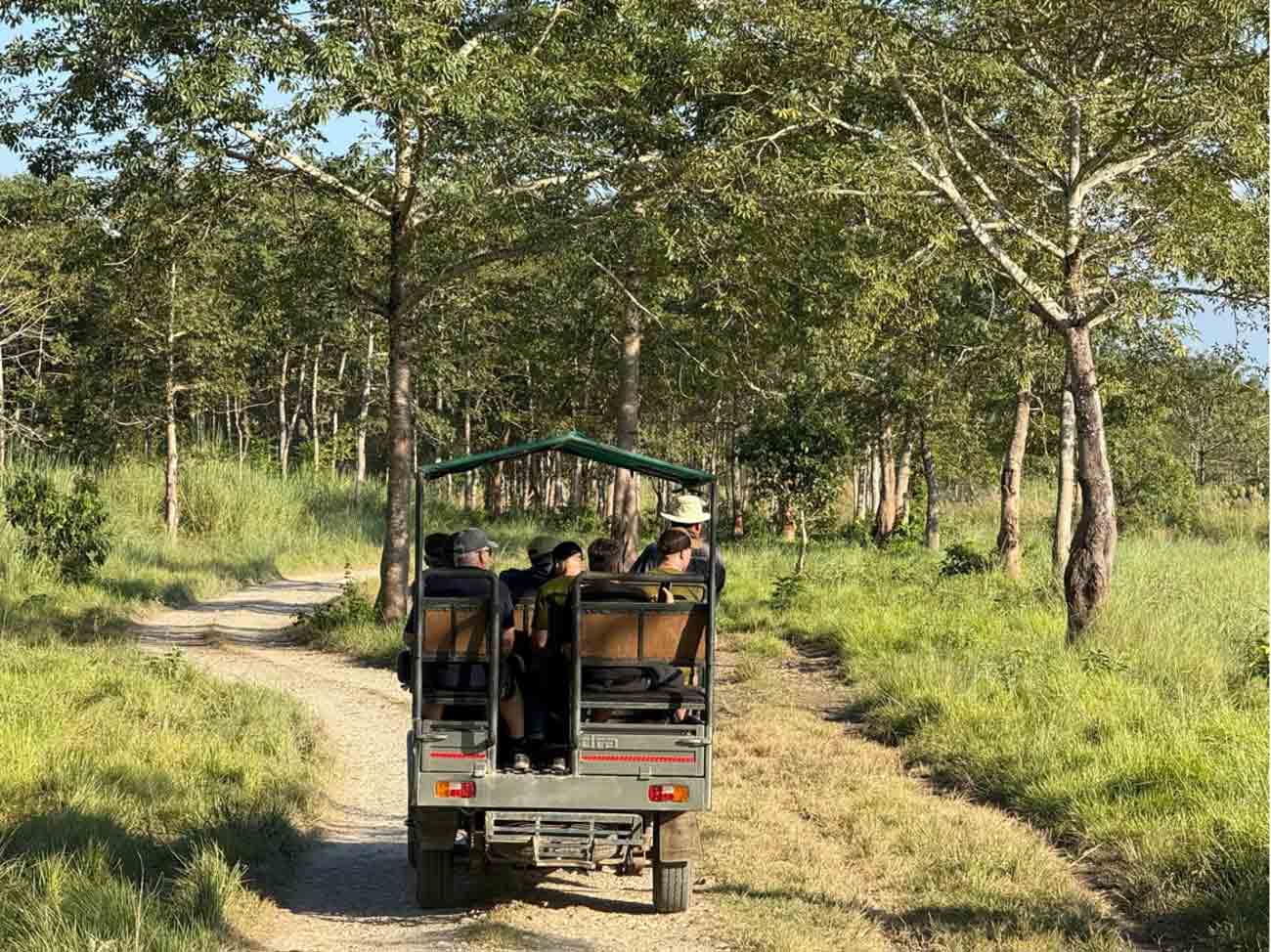
Chitwan National Park was established in 1973 as Nepal’s first national park and is now a UNESCO World Natural Heritage Site. It is renowned for its extraordinary biodiversity. Within its dense sal forests and grasslands live Bengal tigers, greater one-horned rhinoceroses, sloth bears, leopards, crocodiles and numerous bird species. In the morning, we begin the day with a guided safari. Depending on conditions, we explore parts of the park on foot or by vehicle — with a bit of luck, we may encounter rhinos or spot fresh tiger tracks. Elephants are also part of the park’s wildlife, and we visit an elephant breeding centre where we learn more about conservation programs and the care of these animals.

Read more

A special highlight is the boat ride on the Rapti River. Silently gliding across the water, we pass crocodile banks and observe birds gathering along the shoreline. From this calm perspective on the river, the jungle reveals itself in a completely different way. In the evening, we enjoy the sunset over the river or relax in the hotel garden — a deliberate contrast to the barren high-altitude landscapes of the past days.

Day 13: Arrival in Kathmandu

In the morning, we leave Sauraha and ride back from the subtropical lowlands to Kathmandu. The route is scenically varied. At first, we pass river landscapes and wide plains before the road gradually climbs again into forested hills. The highway is mostly paved, winding and at times quite busy. In the final stretch before Kathmandu, the road becomes narrower and more mountainous, with classic switchbacks and increasing traffic. Along the way, there is the option to stop at the Dakshinkali Temple, an important shrine dedicated to the goddess Kali, picturesquely located in a wooded gorge south of the Kathmandu Valley. From here, it is not far to the densely populated basin of the capital.

Read more

In the afternoon, time is at leisure. Those who wish can explore some of the city’s main highlights by taxi or with a local guide. These include Pashupatinath Temple, one of the most important Hindu temple complexes on the banks of the Bagmati River; the monumental Boudhanath Stupa, the spiritual centre of the Tibetan-Buddhist community; and the historic old town of Bhaktapur, with its temple squares, pagodas and traditional Newari houses. In the evening, we gather for a shared Goodbye Nepal farewell dinner. In a relaxed atmosphere, we look back on the journey — from Upper Mustang and the eight-thousanders to the jungles of Chitwan. Afterwards, there is the option of one final pub visit with live music before our motorcycle tour through Nepal officially comes to an end.

Distance covered: approx. 160 km

Thamel district
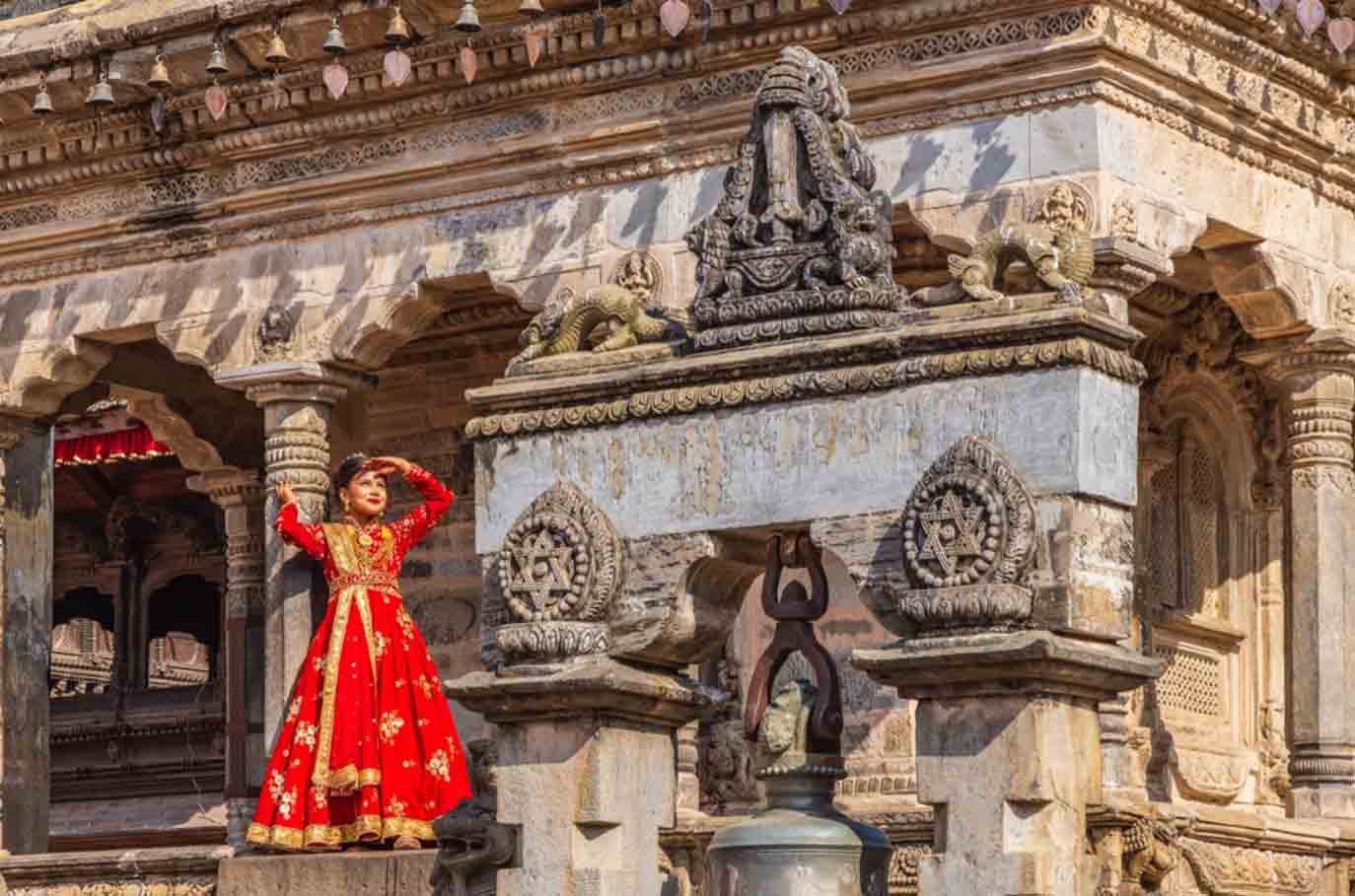
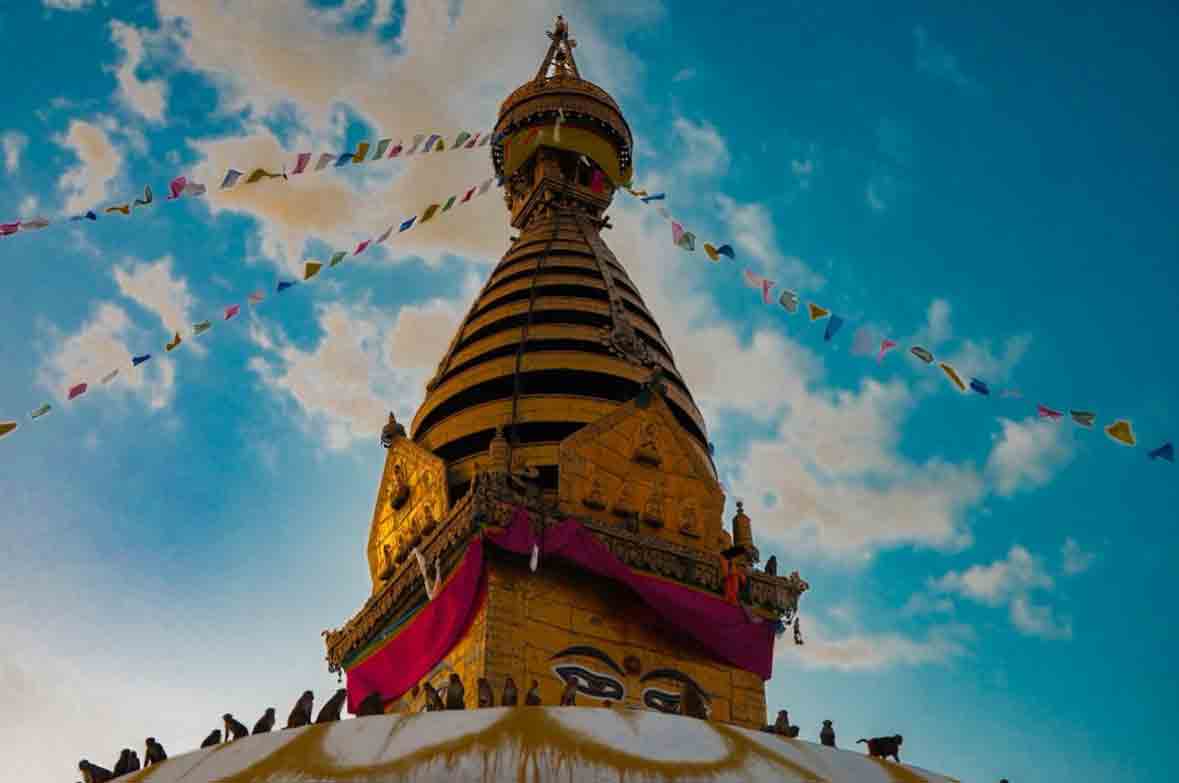
View of temple at Kathmandu

Day 14: Goodbye Nepal

After breakfast at the hotel, an individual transfer to the airport follows, depending on your departure time. We wish you a pleasant flight home!

Optional: “Best of Kathmandu” City Tour (from 4 participants)

Those who wish to extend their stay can optionally join a guided city tour. Accompanied by an English-speaking local guide, we explore some of the most significant cultural sites in the Kathmandu Valley. We begin with a visit to Kathmandu’s historic old-town bazaar. Narrow alleys, small temples, market stalls and hidden courtyards offer a vivid impression of daily life in Nepal’s capital. Next, we visit Pashupatinath Temple, one of the most important Hindu shrines in South Asia.

Read more

The temple complex lies along the Bagmati River and is one of Nepal’s key spiritual centres. We then continue to Boudhanath Stupa. Standing 36 metres high, it is one of the largest Buddhist stupas of its kind in the world. Surrounding the stupa are numerous Tibetan Buddhist monasteries founded by Tibetan refugees after 1959.

Finally, we visit the historic royal city of Bhaktapur, whose temple squares, pagodas and intricately carved wooden buildings are among the finest examples of traditional Newari architecture. All of these sites are UNESCO World Heritage locations. In the evening, we gather for a Nepalese farewell dinner at the hotel. The city tour can be booked optionally through us. In this case, an additional overnight stay at the tour hotel is included, and departure takes place on Day 15.

Don’t Miss Out On a Wonderful Experience

Book your Tour Now – Road to Mustang Nepal Motorcycle Tour

We can accommodate only 14 motorbikes on the Kathmandu to Mustang tour.

Since our tours get filled up fast, please book our Nepal Motorcycle Tour package now to avoid disappointment.

Our Next available tours are as follows:

2026
04.10. – 17.10.
18.10. – 31.10.
01.11. – 14.11.
15.11. – 28.11.

2027
14.03. – 27.03.
03.10. – 16.10.
17.10. – 30.10.
31.10. – 13.11.
14.11. – 27.11.

Nepal Motorcycle Tour – Included Services

  • Accommodation in selected hotels of the simple to upper middle class, often with a stylish atmosphere. Rooms always with bathroom/WC. 4* hotel in Kathmandu
  • Experienced English-speaking motorcycle tour guide on their own motorcycle during the tour
  • Breakfast, lunch, and dinner (excluding drinks)
  • Royal Enfield motorcycle of your choice, equipped with saddlebags
  • Comfortable support vehicle for luggage transport and passenger (guaranteed seat in the support vehicle for all passengers)
  • Drinking water provided in the support vehicle
  • Experienced motorcycle mechanic (and replacement biker if needed)
  • Fuel, oil and all spare and wear parts
  • All road tolls, Permit fees, bridge tolls, entrance fees during the joint program
  • Annapurna Conservation Area Permit (ACAP) and Upper Mustang Restricted Area Permit (RAP)
  • All airport transfers
  • Included: Partial Vehicle Coverage with a deductible (rider is responsible for the first EUR 500 / US$540 in damages, with all costs above this amount fully covered by us)
  • Fully Insured: Includes Third-Party Liability Coverage

Nepal Motorcycle Tour – Excluded Services

  • International flights to/from Nepal
  • Optional tips for tour guides and mechanics, souvenirs, shopping
  • Tourist visa on-arrival for Nepal (approx. 30US$ for 15 days, approx. 45US$ for 30 days). The visa fee must be paid upon arrival at the airport in Kathmandu.
  • Travel cancellation insurance and international health insurance
  • Alcoholic and non-alcoholic drinks (except water)
  • Optional Add-On: Upgrade to Full Vehicle Coverage for only EUR 100 / US$110 for the entire tour. With this option, all vehicle damages are fully covered by us, with no deductible required from you.

Royal Enfield Nepal Motorbike Tour – Questions & Answers

Why are the daily stages relatively short?2022-07-04T15:44:14+00:00

Although the daily stages are between 50 and 200 kilometers, they are by no means short or quick to master. Most of the stages are full riding days, due to the road conditions and the visiting program. Riding in Nepal is challenging and our daily distances are always based on the routes and the road surface. One thing is guaranteed: it won’t be boring.

What’s a typical day on the road like?2019-12-18T06:22:49+00:00

A travel day normally begins at 8 am with breakfast. Around 9 am, after a short briefing by the road captain, it’s time for the day’s riding, the mileage of which can vary quite a bit. Plenty of time will be available for lunch and coffee breaks, of course. Depending on the day’s mileage, we’ll reach the destination hotel between 3 and 4 pm.
Since our tours vary considerably, we may also hit the road at 8 am on high-mileage days – which is also nice, because then we have the whole day ahead of us.

What are the specs of the bikes?2019-12-18T06:23:59+00:00

Technical specifications: Single-cylinder four-stroke, 499 cc, 16 kW (28 bhp) at 4,600 rpm, 178 kg, 80 cm seat height, 123 kph max.

Our Enfields were manufactured from 2013 to 2017 and are well-maintained. Naturally, some of them bear the minor battle scars typical of touring motorcycles. Technically, they are all in top shape and perfectly suited to the planned tours. They’re tremendous fun to ride, and their handling is safe and predictable after a brief familiarization period. Our average speeds on the tour range from 40 to 60 kph, depending on the road conditions and traffic.

How much is the deposit for the bike?2019-12-18T06:24:00+00:00

Riders must make a deposit of USD/EUR 500.00 in cash for their bikes. The deposit will be refunded when the bike is returned in good condition. The deposit corresponds to the comprehensive insurance deductible for damage to the rented bike and damage or injuries to third parties caused by the rider.
(The deductible is payable in such cases!)

Important note: The deductible also applies to damage or injury to third parties. In practice, the rider is initially liable for the full damages. The costs are later refunded by the insurance company, minus the deductible.

Where can I stow my bags?2019-12-18T06:24:02+00:00

Your baggage will be carried by the support vehicle. Please don’t pack too much – remember: less is more. From time to time, we’ll have to carry our baggage over short distances to the hotel. Baggage is not insured, so please be sure to purchase your own baggage insurance for the trip if necessary. Your personal items for the day are best kept in the saddlebags or your daypack. Tank bags – including magnetic ones – can be used on the Enfields, but we don’t provide them.

Will I need maps?2019-12-18T06:31:37+00:00

Simple street maps are often available locally. The best road maps are available from the German publishers Reise Know How and Nelles. These are only available in specialized bookstores or online.

Do I need a driving license?2019-12-18T06:24:05+00:00

All riders must have a valid motorcycle driving license issued in their home country. An international driving license is also required. Be sure to contact the relevant authorities in your home country well in advance for more information on obtaining an international driving license.

What do I need in the way of documents?2019-12-18T06:24:09+00:00

You will need your passport, national driving license, international driving license and flight ticket. Please be sure to make photocopies of all of your important travel documents and carry them separately. They can be invaluable in an emergency.

What kind of bikes will we ride?2019-12-18T06:24:12+00:00

We ride 500cc Royal Enfield Bullets manufactured from 2014 to 2017 that feature electric starters, 5-speed gearboxes with the gearshift on the left, front disk brakes, roomy and rugged leather saddlebags, crashbars, 19” tires and twin horns.

What’s the Classic Bike Adventure travel team like?2022-04-14T10:41:11+00:00

Our European tour guides are skilled motorcyclists and inveterate travelers who love India. They’re resilient in the face of stress and know the history and culture of the regions they cover. Our Indian mechanics are experienced Enfield specialists who all speak English and are happy to help with any technical problem, great or small.
A stand-in rider is always available. More information on our travel concept is available here.

How big are the groups? What’s the minimum number of participants?2019-12-18T06:24:15+00:00

Groups generally consist of 8 to 14 riders and 2 to 6 passengers. The minimum number of participants is 6 riders.

Do pillion passengers have a guaranteed seat in the support vehicle?2019-12-18T06:24:16+00:00

Yes, all passengers have a guaranteed seat. In bad weather or challenging riding conditions, they can switch to the support vehicle at any time – and back to the bike when conditions improve.

What should I keep in mind when riding with a passenger?2019-12-18T06:24:20+00:00

Riding two-up is almost always possible. In difficult terrain or on rough tracks, every passenger has a guaranteed seat in the support vehicle to keep things relaxed for both rider and pillion.

Do I need travel insurance and travel health insurance?2019-12-18T06:24:21+00:00

We always recommend that you take out travel insurance to cover costs incurred if you need to cancel the trip due to illness or other reasons. When shopping for travel health insurance, make sure the policy covers the potentially high cost of medical evacuation to your home country. Both forms of insurance can save you a lot of money in an emergency and we recommend them unreservedly. In many countries, your national motoring organization can provide the coverage you need.

What do I need to bring along for a motorcycle tour?2020-01-06T11:30:46+00:00

You will definitely want to bring your riding suit with protectors and a helmet. You will also need motorcycle boots or lighter riding shoes and gloves. While your gear should be breathable in hot climates, you need to be ready for anything at high altitudes and in the Himalayas. We recommend winter gloves, warm socks, liners for jackets and trousers, a scarf and face protection. Rain gear is a good idea if your riding suit is not waterproof.
Please note that we do not hire out clothing. We believe that your own riding gear will fit best and thus give you the best protection. If you forget anything, we’ll find a solution, however. We often have spare gear with us, or we can point you in the direction of a shop.
Tour Concept by RC Hendrik